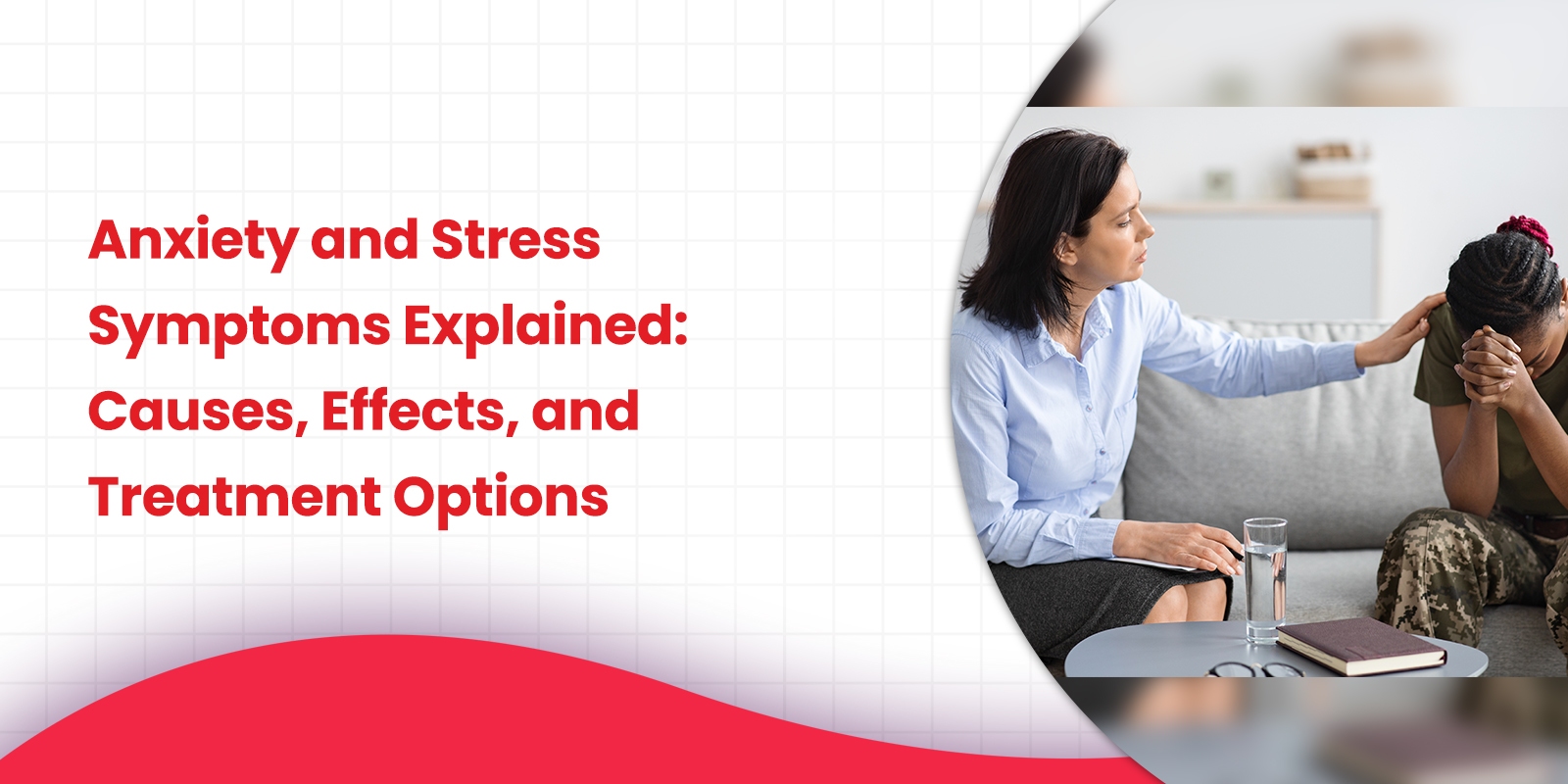
Introduction: When Worry Turns into a Burden
In today’s fast-paced world, it’s common to feel stressed or anxious occasionally. However, when these feelings become overwhelming and persistent, they can start affecting your daily life, relationships, and overall well-being.
Understanding anxiety and stress symptoms is the first step toward healing. Both conditions are closely connected — while stress is usually a response to external pressures, anxiety often stems from internal fears and worries that linger even after the stressor is gone.
If left untreated, both can lead to serious mental and physical health challenges. Let’s explore what causes them, how they affect your body and mind, and the best ways to find relief through therapy and counseling.
1. What Are Anxiety and Stress Symptoms?
Stress is your body’s natural reaction to demanding or threatening situations. It triggers a “fight-or-flight” response — a rush of adrenaline that prepares you to face challenges.
Anxiety, on the other hand, persists even after the stressful event passes. It often involves excessive worry, fear, or unease about things that may not even happen.
Common Anxiety and Stress Symptoms include:
- Constant worry or restlessness
- Difficulty concentrating
- Racing heartbeat or chest tightness
- Fatigue or trouble sleeping
- Irritability or mood swings
- Muscle tension or headaches
- Digestive issues
- Feeling overwhelmed or detached
If these symptoms persist for more than a few weeks, it may be time to seek anxiety counseling near me in Hyderabad for professional support.
2. Causes of Anxiety and Stress
There’s no single cause of anxiety or stress — both are usually the result of a combination of biological, psychological, and environmental factors.
Common Causes Include:
- Work Pressure: High expectations, deadlines, and burnout can lead to chronic stress.
- Personal Relationships: Conflicts or emotional disconnection may trigger anxiety.
- Health Problems: Ongoing illness or hormonal imbalance can intensify stress levels.
- Trauma or Loss: Past emotional wounds or bereavement can contribute to anxiety disorders.
- Lifestyle Habits: Poor sleep, lack of exercise, and excessive caffeine or alcohol use.
Understanding the causes of anxiety and stress can help in addressing them early through stress management therapy Hyderabad or psychological counseling.
3. Effects of Stress on the Mind and Body
When anxiety and stress become chronic, they affect more than just mood — they can disrupt your entire body’s balance.
Physical Effects
- Increased blood pressure
- Weakened immune system
- Digestive issues and nausea
- Muscle pain or tension
- Sleep disturbances
Emotional and Mental Effects
- Persistent fear or panic
- Emotional exhaustion
- Difficulty focusing or making decisions
- Withdrawal from friends and family
- Loss of motivation and self-esteem
Chronic stress can even lead to anxiety disorders or depression, making it vital to seek mental health counseling before symptoms worsen.
4. How Anxiety and Stress Impact Daily Life
The effects of prolonged anxiety and stress can creep into every part of your life — personal, professional, and social.
- At work, you may struggle with focus or burnout.
- At home, irritability may cause relationship issues.
- Personally, you may feel detached or unmotivated to engage in activities you once enjoyed.
Seeking anxiety treatment in Hyderabad can help you learn coping techniques and regain control over your thoughts and emotions.
5. Treatment Options for Anxiety and Stress
The good news? Both anxiety and stress are treatable. With the right support and care, you can restore emotional stability and improve your overall mental health.
a) Therapy and Counseling
The most effective treatment starts with professional psychological therapy for stress and anxiety counseling.
- Cognitive Behavioral Therapy (CBT): Helps identify and change negative thought patterns.
- Mindfulness Therapy: Focuses on calming the mind and staying present.
- Couple or Family Therapy: Useful if relationship stress is contributing to anxiety.
If you’re searching for a mental health therapist Hyderabad, professional counselors can tailor sessions to your specific needs.
b) Medication
In some cases, psychiatrists may recommend medication to manage severe anxiety or depression symptoms. However, this works best when combined with therapy and lifestyle changes.
c) Lifestyle Modifications
- Maintain a regular sleep schedule.
- Exercise regularly to reduce stress hormones.
- Limit caffeine and alcohol.
- Eat a balanced diet rich in nutrients.
- Practice relaxation techniques like meditation, yoga, or journaling.
- d) Support Groups
Joining local or online support groups can connect you with people who share similar experiences, helping you feel less isolated and more supported.
6. When to Seek Professional Help
You should consider stress relief counseling Hyderabad if:
- Anxiety or stress lasts longer than a few weeks.
- You experience frequent panic attacks.
- It interferes with work or personal relationships.
- You rely on unhealthy coping mechanisms like overeating or alcohol.
Professional therapists can help you recognize triggers, manage emotional responses, and build long-term resilience.
7. How Therapy Helps Manage Anxiety and Stress
Therapy is not just about talking — it’s about transforming.
With expert guidance, you can:
- Understand your emotional triggers
- Develop healthier coping strategies
- Learn relaxation and mindfulness skills
- Reframe negative thinking
- Build emotional resilience
At Law Inspire’s partner clinics, experienced counselors provide anxiety and depression therapy in Hyderabad using evidence-based techniques to ensure lasting results.
8. The Road to Emotional Well-being
Recovery from anxiety and stress doesn’t happen overnight, but every step you take toward self-awareness and healing counts.
Small daily actions — such as setting boundaries, practicing gratitude, and taking breaks — can significantly improve your mental health.
Remember: asking for help is not a weakness. It’s a brave step toward reclaiming control over your life and emotions.
Conclusion: Take Control of Your Mental Health Today
Understanding anxiety and stress symptoms is the first step toward healing — but taking action is what creates lasting change. With the right guidance, you can find peace, regain confidence, and live a balanced, fulfilling life.
If you’re struggling to manage anxiety or stress, don’t wait for things to get worse. Professional help can make all the difference.
✨Book an appointment today with a trusted anxiety therapist in Hyderabad and take your first step toward calm and clarity. ✨
FAQs – Anxiety and Stress Symptoms
- Q: What are the common anxiety and stress symptoms?
A: Persistent worry, restlessness, fatigue, irritability, sleep issues, and physical tension are typical signs. - Q: What causes anxiety and stress?
A: Triggers include work pressure, relationship challenges, financial issues, health concerns, and life changes. - Q: How does stress affect the mind and body?
A: It can impair memory, increase depression risk, weaken immunity, and cause physical ailments. - Q: What is anxiety disorder treatment?
A: Treatment may include therapy (like CBT), stress management, counseling, and medication when necessary. - Q: How can I cope with anxiety naturally?
A: Techniques include mindfulness, exercise, proper sleep, balanced nutrition, and social support. - Q: When should I see a psychologist for anxiety?
A: If anxiety or stress symptoms persist for weeks, affect daily functioning, or lead to chronic worry. - Q: Are online sessions available for anxiety counseling near me in Hyderabad?
A: Yes, many psychologists and mental health therapists offer virtual consultations. - Q: Can stress management therapy Hyderabad help with chronic anxiety?
A: Absolutely. Structured therapy teaches coping strategies, emotional regulation, and resilience. - Q: How long does anxiety and depression therapy Hyderabad take to show results?
A: Improvement may be noticed in a few weeks, but long-term commitment enhances lasting benefits.
Q: Is emotional well-being support important alongside therapy?
A: Yes, it reinforces coping skills, prevents relapse, and improves overall quality of life.

0 Comments